

What is a wired tire, what is a folding tire, and which is better for your bike? It's actually quite simple: wired and folding tires are different constructions of bicycle tires. Since the tire (or casing) is one of the wear parts on the bike, you will need a replacement sooner or later. Then you have to decide on a type of tire.
Does your bike need new tires? No problem, in this article you will find a lot of information about tires and wheels. Most importantly, we take a closer look at folding and wired tires and compare their construction and function, because with very few exceptions, all bicycle tires are either folding tires or wired tires.
First the basics – what is the bicycle tire?
If you are familiar with bicycles, you can simply skip this part. For those who are interested, here are some basic information about the wheel of the bike.
What is the wheel, what is the tire?
When people think of “wheel”, parents of toddlers especially think of the tiny play-wheels that kids push with their feet until they can pedal. And that is completely correct! The mini-bikes for young cyclists are called balance bikes. But every wheel on a bicycle is also a “wheel”.
How is a wheel constructed?
The wheel consists of various bicycle parts, together they ensure that the bike runs smoothly.
- In the middle of the wheel is the axle, it connects the wheel to the frame and the fork.
- From the hub, the spokes extend, creating a stable connection between the axle and the rim.
- The rim is the base that holds the tire.
- In the rim, the rim tape protects the tube from damage in the area of the spoke holes.
- In a “normal” setup, the tube and casing close the wheel from the outside.
| Here you can choose between folding and wired tires. |
- If you convert your bike to tubeless, the tube is omitted. Then there is a tubeless tire filled with sealant. Tubeless only works with the corresponding folding tires in combination with special rims.
- Additionally, brake discs and the cassette could also be considered part of the wheels. However, since they do not come into contact with wired and folding tires, these components are not further interesting here.
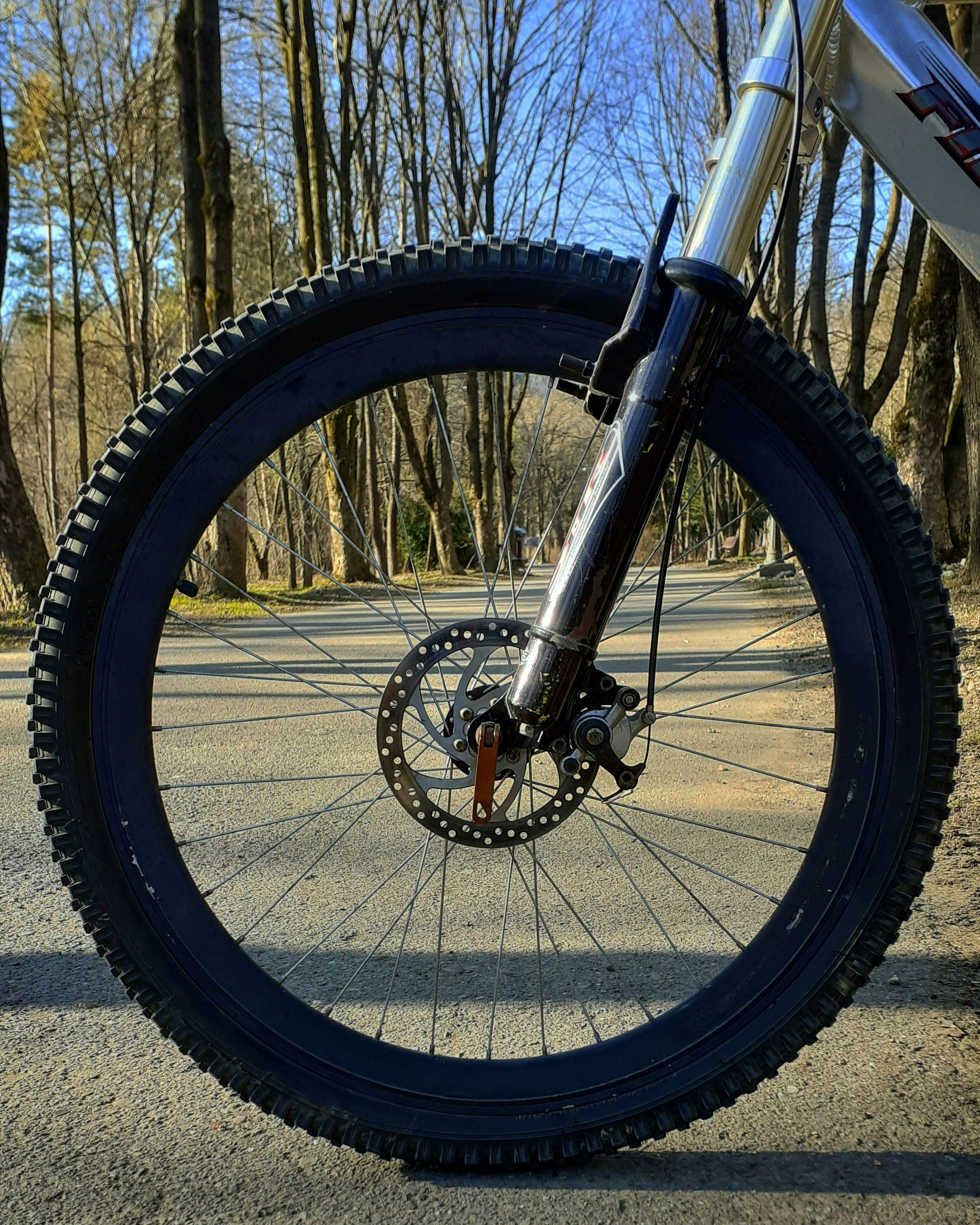
Outside on the wheel, a wire tire or a folding tire ensures optimal driving characteristics. Image © Cosmin Ibanescu on Unsplash
The right time for new wire tires or folding tires
When does your bike need new tires? And should you change the tires as a precaution? Or is it okay to wait until they are "due"? Here are a few tips:
- At the latest after 5 years a tire change is necessary because the material can harden or become brittle.
- If you notice that your bike feels unsafe, because it has less grip on the road, you should quickly put on new tires. Maybe the braking distance is getting longer and longer or you keep feeling that your bike is sliding in the curve. Then it's high time!
- Even if the tires are visibly damaged or worn out, you should mount new tires. They have a mileage of several thousand kilometers depending on the model, but eventually, the tread wears out and no longer functions properly.
- But maybe you just want to experiment with the riding feel? Wider or narrower tires and a harder or stickier rubber compound change the bike's driving characteristics.
- Have you been going from one "flat" to the next for a while? Then you should examine your tires more closely. Maybe they are damaged and affecting the tube! A shard or thorn in the tire can quickly ruin a brand new tube.
- The change of seasons is also a good opportunity for a tire change. Winter tires for winter, tires for dry conditions in summer, and all-weather tires for the transition are definitely a safe choice!
|
Don't wait too long to change your tires! Worn-out or outdated tires are a safety risk. |
Tire or Cover?
A bicycle tire is a part of the wheel. It is also referred to as a “cover”. The term may be somewhat outdated, but it is still allowed. The tire/cover serves many functions:
- It is responsible for the rolling behavior of the wheel.
- It protects the tube from damage.
- The tire ensures good grip, safe braking maneuvers, and reliable cornering.
- If you ride tubeless, it also needs to be airtight!
To achieve this, a bicycle tire consists of different layers, each made from high-tech materials that perfectly fulfill specific purposes.
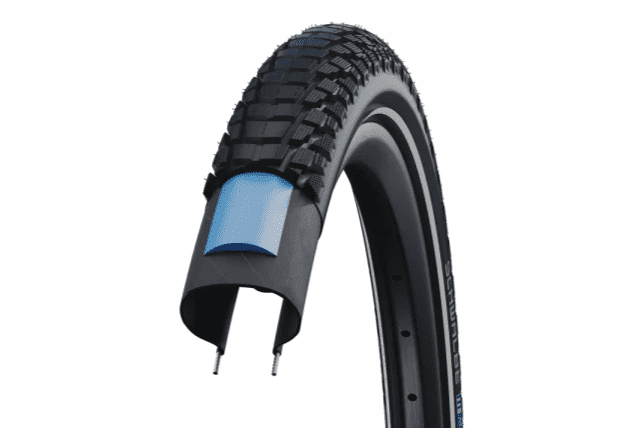
Whether wire tire or folding tire, the cover consists of several layers. Image © Schwalbe
These are the layers that make up folding and wire tires:
Casing
The casing is the framework of the bicycle tire, found in folding and wire tires. In the past, cotton fabrics were used, today the casing is made of synthetic fibers like nylon. Whenever it comes to the casing, you will encounter the term TPI. TPI stands for “threads per inch”, meaning threads per inch, the larger the number, the denser the fabric around which the tire is built.
Puncture Protection
There are different ways to make a tire puncture-proof. Naturally, every tire is as durable as possible, but many tires are even better protected against damage than others. Some tires receive a thick rubber layer, others are equipped with a fabric that is intended to prevent damage to the tube. Sounds really sensible, so why doesn't every bicycle tire have a puncture insert? The answer is simple: This additional layer makes the tires heavier, so it is not suitable for lightweight tires and tires for competitions! The extra layer can also affect the riding properties, making the tire roll less smoothly. Those who appreciate a very direct riding feel might want to do without it. While in wire tires any puncture protection works, the insert in folding tires must logically be foldable.
|
It can certainly happen that you have to choose between better puncture protection and lighter rolling behavior. |
Sidewalls and Tire Bead
Sidewalls and tire bead close the tire towards the rim. The sidewalls and the tread can be “one piece” in wire and folding tires, meaning formed from one material. But they are also available with visible color differences. Besides this optical component, the sidewalls are responsible for the lateral protection of the tube. The tire bead is a thicker ring at the edge of a tire that “clips” into the rim.
|
And this is exactly where wire and folding tires differ. In the wire tire a stiff wire is used for stabilization, while in the folding tire a flexible material is used. |
Tread
The bicycle rolls on the tread, making it one of the most important parts of your bike ! The rubber compound of the tread determines whether the tire rolls easily or with more difficulty, whether it holds well on wet roads, and how quickly the tire wears out. Additionally, the tire tread pattern is part of the tread. It ranges from slicks for racing bikes (i.e., no recognizable tread) to thick knobs for off-road bikes.
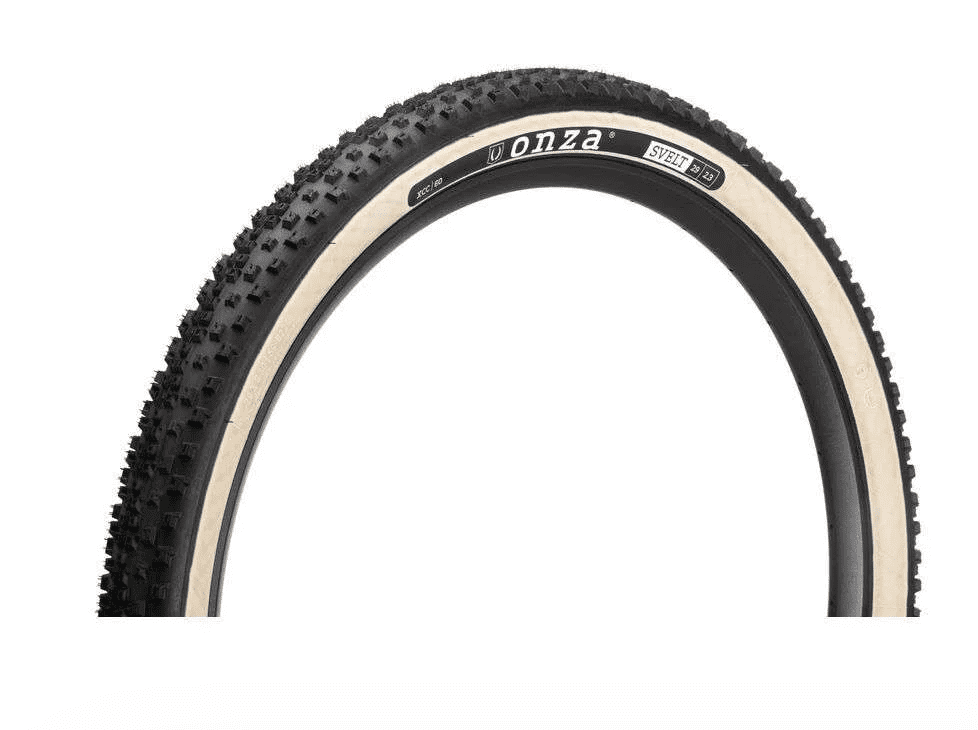
Skinwalls or Whitewalls – both wire tires and folding tires can set visual accents. Image © Onza Tires
The Structure of a Wire Tire and a Folding Tire
You have already read, almost every bicycle tire is either a wire tire or a folding tire, because even tubeless tires are usually folding tires, even though they are often found in their own category.
Bicycle Tires in the Shop
Folding Tires | Wire Tires | Tubeless Ready | Tube Tires
What is a Wire Tire?
Wire tires are very common, almost every bicycle is equipped with these tires, they are considered standard and are therefore mounted on the majority of bicycles up to the higher price segment. The wire tire consists mostly of the same parts that you also find in folding tires, the big difference is invisibly embedded in the rubber material: In the wire tire, a stable wire ring is hidden in the tire bead (i.e., in the two outer edges). This wire "clamps" the tire onto the rim. That's why wire tires should not be bent - a bent wire would not sit firmly on the rim.
You can also find wire tires under the English names “Clincher” or “wire”
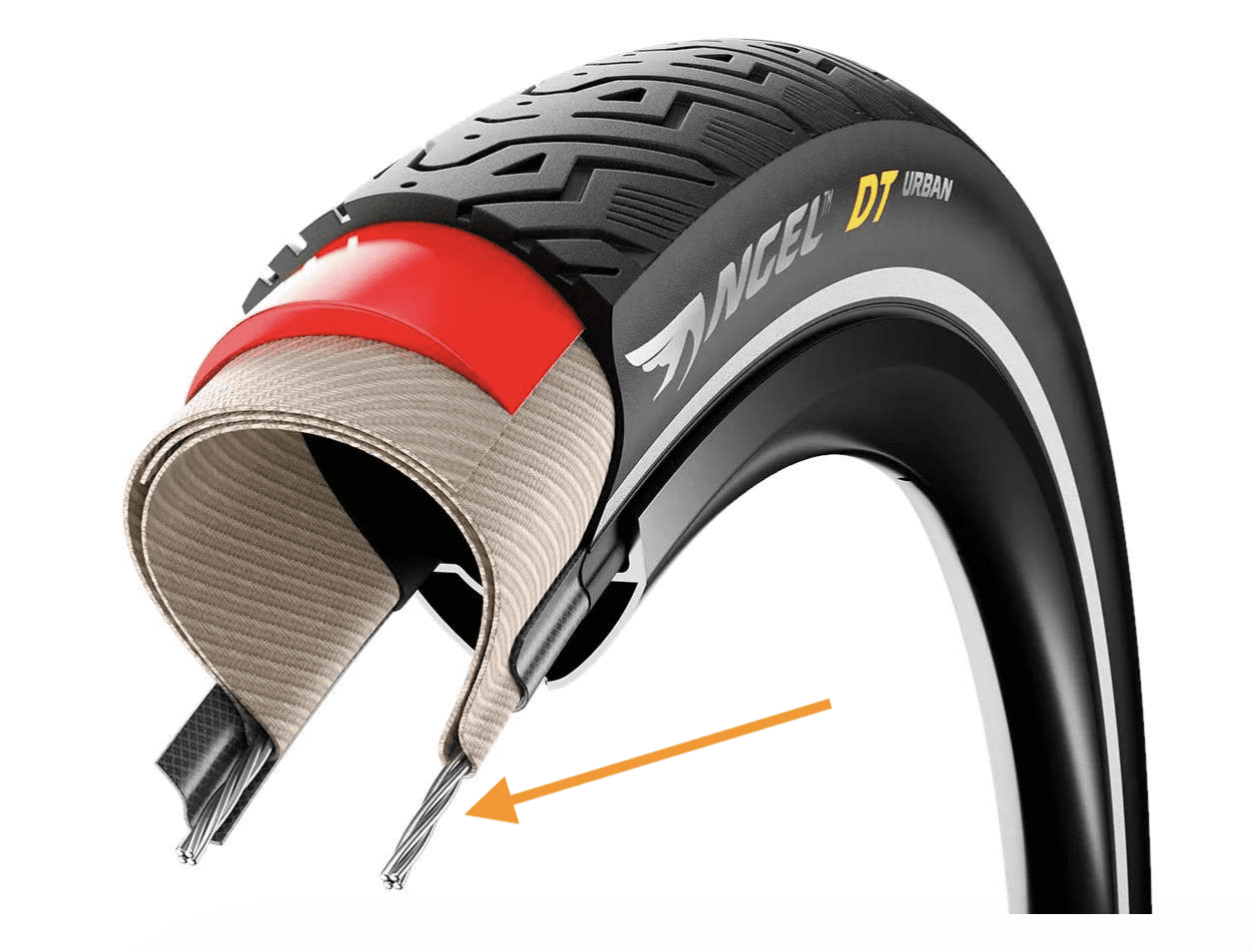
In the wire tire, a wire ensures stability. Image ©Pirelli
The advantages of the wire tire ✅
Wire tires are widely used and affordable. So, it is neither difficult nor expensive to find replacements. They are also easy to mount, you don't need to go to the bike shop, with a little practice you can change the tire yourself. Due to the wire ring, wire tires have a particularly secure hold on the rim, even if the tire loses air, it does not jump off the rim.
The disadvantages of the wire tire ❌
Wire tires are heavier than folding tires because they usually come with a bit more material. Therefore, they are not used on performance bicycles. The rolling behavior and handling are often perceived as a bit stiffer, which is also a side effect of the thicker material.
> Continue to our Wire Tires
What is a Folding Tire?
In folding tires, the wire ring in the tire bead is omitted, and these tires are stabilized by a ring made of flexible material (such as aramid or Kevlar fibers). These tires can be folded without being damaged.
In some product descriptions, folding tires are categorized with the English term “folding”.
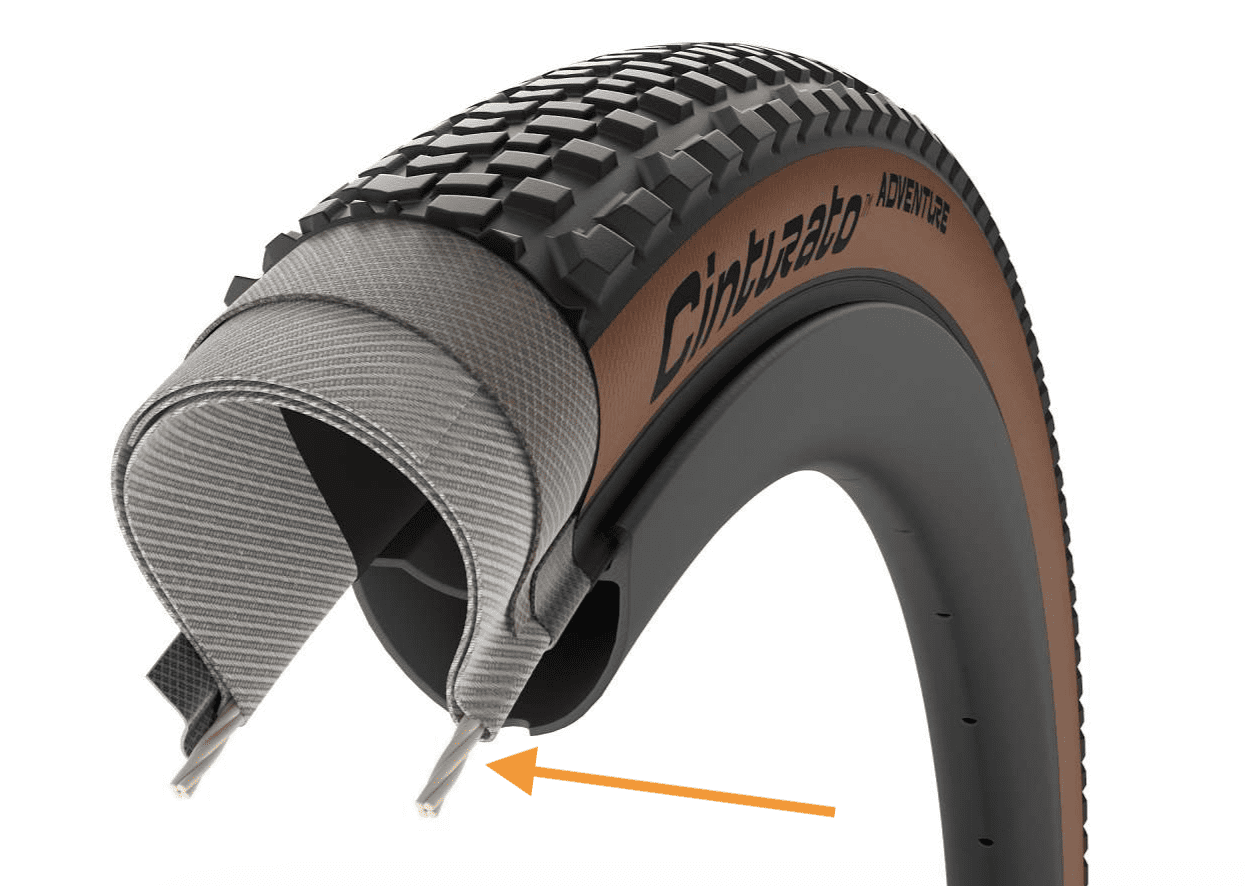
In folding tires, flexible threads provide stability. Image © Pirelli
The Advantages of Folding Tires ✅
- Folding tires are lighter than wire tires. They are generally of higher quality than the cheaper wire tires and therefore often require less material. You can save up to 200 grams in comparison here - on an MTB this is rather a small item, but on a gravel bike or a racing bike, the lower weight makes changing tires quite interesting!
- Folding tires also score with slightly better rolling behavior and handling than wire tires.
- Folding tires can be folded into small packages, they have a much smaller pack size when folded. This is practical for shipping on one hand, and on the other hand, it makes it easier for you to carry spare tires for bikepacking, long tours, cycling holidays, and so on! A folding tire can easily be put in your bike bags or even in the jersey pocket!
- Folding tires are often tubeless compatible. However, this does not apply to all folding tires, if you want to convert your bike to tubeless, you should read the tire's product description to ensure that the targeted tire is tubeless ready. You also need special rims for the conversion.
The disadvantages of the folding tire ❌
- A folding tire is generally more expensive than a comparable wire tire, as the construction is more complex, especially if you buy tires that are tubeless ready.
- Compared to the wire tire, a folding tire has slightly less grip on the rim. This is particularly noticeable if the tire suddenly loses pressure, for example, in a blowout, or if a leak is initially unnoticed. Then the folding tire can jump out of the rim and cause the bicycle to wobble.
> Continue to our Folding tires
Wire tires or folding tires at a glance
|
Wire tires |
Folding tires |
|
✅ cheaper |
❌ more expensive |
|
✅ stable grip on the rim |
❌ can jump off |
|
✅ easy installation |
❌ can be more difficult to install |
|
❌ heavier |
✅ lighter |
|
❌ not foldable |
✅ small pack size |
|
❌ not tubeless compatible |
✅ tubeless possible |
|
❌ cumbersome rolling behavior |
✅ good rolling behavior |
Table: Wire tires vs. folding tires, advantages and disadvantages
Do wire tires and folding tires fit on the same rim?
As a rule, you can freely choose whether to mount folding or clincher tires on your rims, both versions fit all common rims. This applies at least when you will be riding "with tube." Attention, for a tubeless setup you need special rims!
Conversely, the combination works smoothly - you can ride tubeless rims and also tubeless tires with a tube.
Folding and Clincher Tire Models in Direct Comparison
You like the driving characteristics of your current tire. But it's a clincher tire and you would like to test a folding tire? No problem, some bicycle tires are available as clincher and as folding tires. The construction, rubber compound, and tread are then the same. However, you will certainly notice the difference in the weight of the tire, the driving characteristics, and the size of the package (when you order your tires). Especially the weight difference can be quite significant, it can make +/- 100 grams or more per tire.
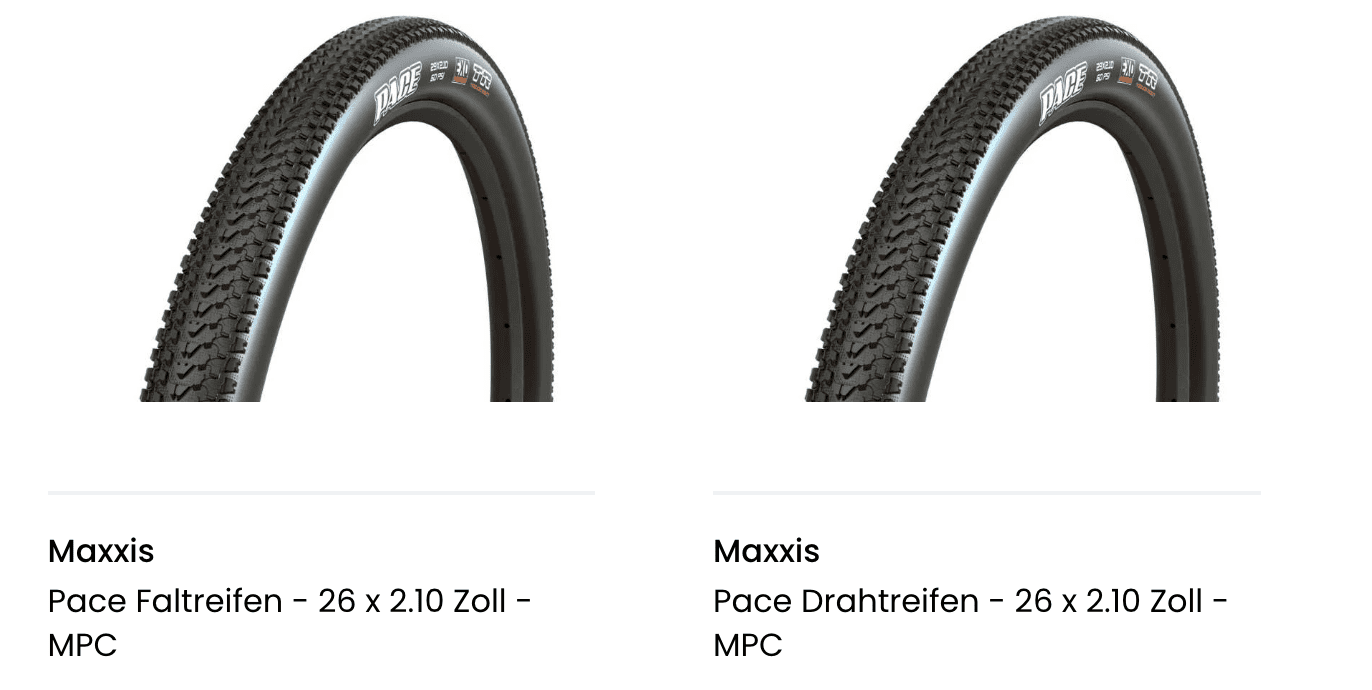
Same model - once as a folding tire, once as a clincher tire. Image © Maxxis
Clincher and Folding Tires for Road Bike, Gravel Bike, MTB, and Co.
What types of tires are there for which types of bikes? In general, you can buy any system for any type of bike.
- For road bikes There are affordable clincher tires, fast folding tires, and tubeless tires. Additionally, you can also mount a very special type of tire here, as tubular tires are only available for racing bikes.
- MTBs are often ridden with folding tires, as tubeless systems are becoming more widespread. However, affordable bikes also work perfectly with clincher tires.
- For the Gravel Bike, the intended use often makes the difference. "Good" gravel bikes, which are meant for long tours, tend to get folding tires, while more affordable gravel bikes used for everyday rides and shorter tours often roll on high-quality clincher tires.
- Everyday bikes like city bikes and trekking bikes often have clincher tires.
Other Types of Tires
Spoiler alert right at the start: There is exactly one more type of bicycle tire: tubular tires. Tubular tires are a special system where the tube and tire are sewn together. These tires are only available for racing bikes (and thus in very narrow widths), and you need very special rims to mount them.
Tubeless tires are usually folding tires and thus not "additional tires."
Clincher & Folding Tire Comparison – What Are the Best Manufacturers?
There are different manufacturers that produce excellent tires, which we highly recommend.
- Bicycle tire veteran Schwalbe has a wide range of folding and clincher tires for all types of bicycles in their portfolio. Particularly interesting is the grading in puncture protection classes, which allows you to directly choose the safest tires.
- Continental is not only known for car tires, the manufacturer's bicycle tires are also well-known and widely used.
- Pirelli is also active in both the car and bike sectors.
- Mountain bikers who like to rely on specialists should shop at Onza. Until a gravel/urban tire sneaked in, it was known as MTB-only.
- It's similar with Vittoria. While there are other products, the heart of the Italians beats for racing bike tires.
Thanks to the large selection, there are both affordable and high-priced products for every bicycle and in every tire size. There is one exception: MTB tires are generally significantly more expensive, as they simply require much more material than all other tires.
⭐These Bicycle Tire Brands You Should Know ⭐
Continental | Schwalbe | Maxxis | Onza | Vittoria | Pirelli
Buy the right tires for your bike in 4 steps
If you have read this post up to here, you are probably looking for new tires for your bike. You now know whether folding tires or wire tires are better. But now you still need to buy the right tires.
There is a quick and safe method to buy the right tires - just look at the tires your bike currently has. You will find the tire size printed there. You can then first decide whether you want to buy folding tires or wire tires. Then set the filter to the corresponding tire size, and you will have a selection of suitable tires in the results.
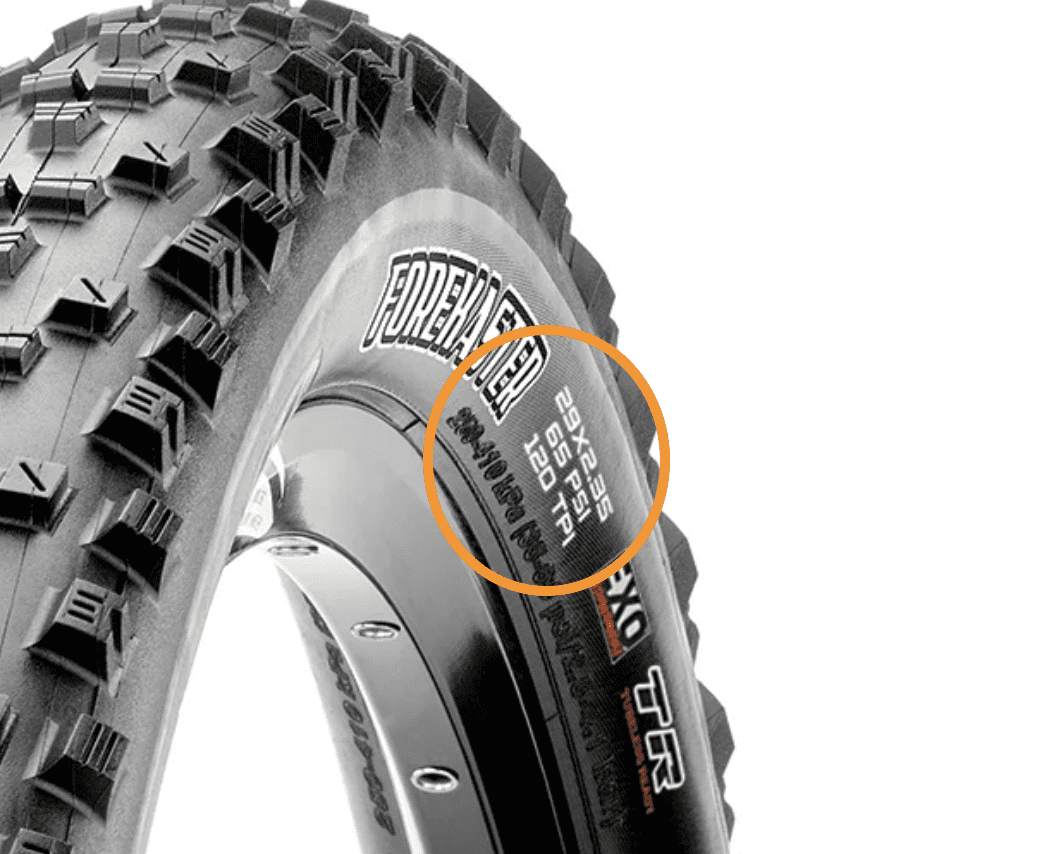
Whether wire tires or folding tires - the correct tire size is usually on your old tire. Image © Pirelli
If you are looking for a replacement without an old tire, you should know or measure the tire width and the diameter. You will find exact instructions here in the Bike Blog.
- Find the appropriate tire diameter (Instructions and info on tire diameter in the blog)
- Find the appropriate tire width (Instructions and info on tire width in the blog)
- Decide on wire tires or folding tires.
- Maybe you just want to buy all-weather tires? But there are also tires for wet weather, winter, or dry days! You can find the application area of the specific folding tires and wire tires in the product descriptions.
- Don't forget to also buy the appropriate tubes!
❗More information about bicycle tires ❗
Tire width | Tire diameter | E-Bike Tires | Gravel Tires | Bicycle Valves | Tire Pressure
Title image: Engin Akyurt on Unsplash