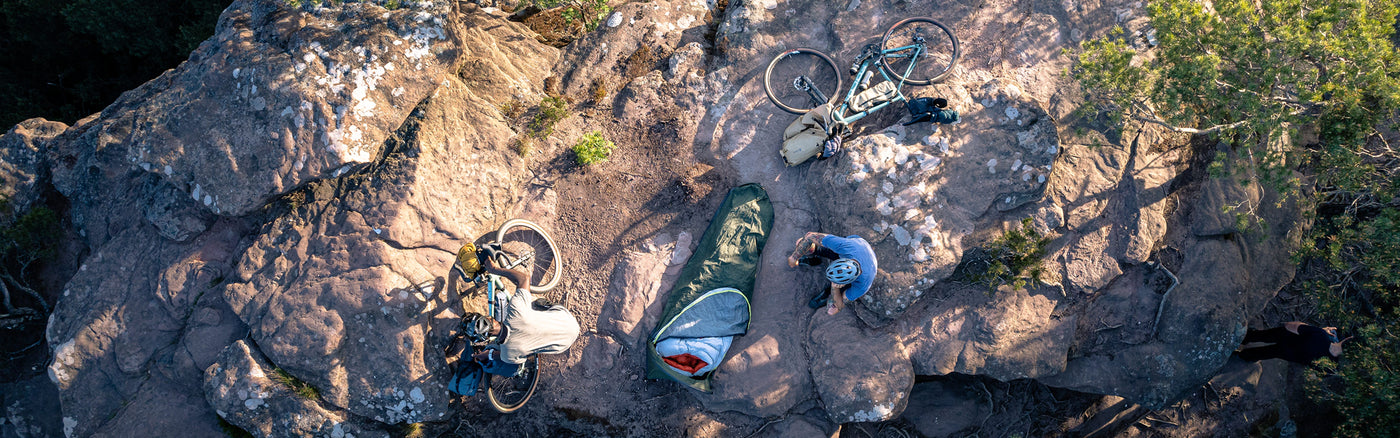
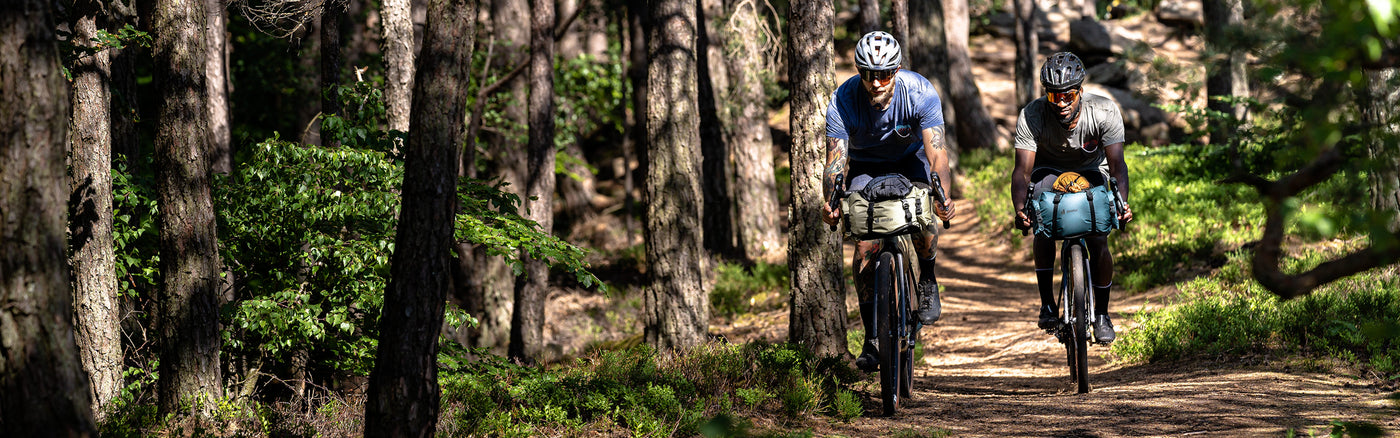
Where can you still experience a real adventure today? Away from mass tourism and package tours? Our tip: Why not try bikepacking!
Highlights
-
 Sold out-50%
Rondo
Bogan ST2 Offroad Bikepacking Bike - Silver/Gray
From 1.298,90 €2.599,00 €Unit price /Unavailable -
-

 Sold out-28%
 -


-
 -23%
-23%


What is bikepacking?
If you've landed here, you probably already have an idea of what to expect on a bikepacking tour. Here's a brief and concise definition:
- Bikepacking is a cycling tour with one or more camping overnight stays (in a tent, under a tarp, or directly under the starry sky).
- In contrast, a cycling tour is either limited to one day or you treat yourself to overnight stays in a hotel.
The bike can also make a difference!
- Bikepacking is more often done on a gravel bike or an MTB hardtail
- Cycling tours are more often done on trekking bikes or touring bikes.
Bikes for Bikepacking
Gravel Bikes | MTB Hardtails | Trekkingbikes | E Gravel Bikes | E-Hardtails | Trekking E-Bikes
But you know what? It doesn't matter whether you call your tour bikepacking or a cycling tour! Which bike accompanies you is not so important, as long as you feel comfortable on it. You need the right equipment to be comfortable and safe on the road. This way, you can fully focus on the path ahead and enjoy the journey to the fullest – and that's what it's all about!
What do you need for bikepacking?
You need a bike, as the name bikepacking suggests. Then a helmet is a must. From there, you decide what you want to take with you and how you pack it. Of course, bike bags for the camping gear are part of the basic bikepacking equipment. And even if you can make your first bikepacking attempts in everyday clothing, it's advisable to soon invest in a few pieces of cycling functional clothing. Some cycling accessories provide comfort and safety on the road. Just read on to find out what you need – and what you don't!
By the way – you can have a destination ... but you don't have to! A roughly prepared route or just following your nose lets you discover nature and places you might never have encountered otherwise.
Gravel Bikes
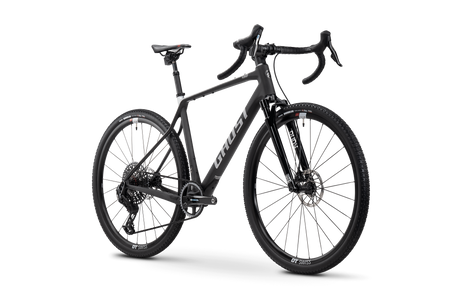
Are gravel bikes so popular because so many cyclists like to go on bikepacking tours? Or has bikepacking become a national sport because people like to spend as much time as possible on the gravel bike if they have one? The fact is: The gravel bike is the bike for bikepacking tours!
-

 -45%XSMmore
 -

 -59%Bike Mailorder TippS XL
 -

 -66%
-66%Rondo
Ruut AL 1 Gen 3 Gravel Plus Bike - teal/black
From 760,00 €2.249,00 €Unit price /UnavailableS M -

 -57%SMmore
 -
 -57%XSMmore
 -
 NewSMmore
 -

 NewXSMmore
 -

 -49%S M L


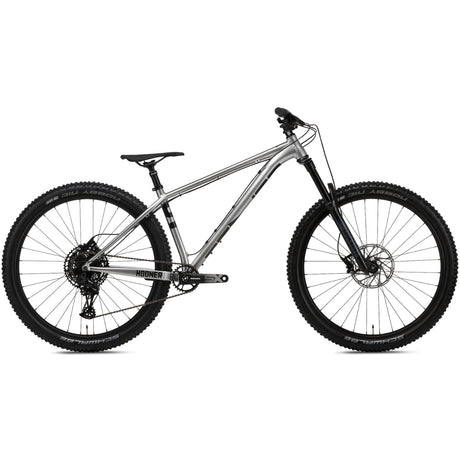
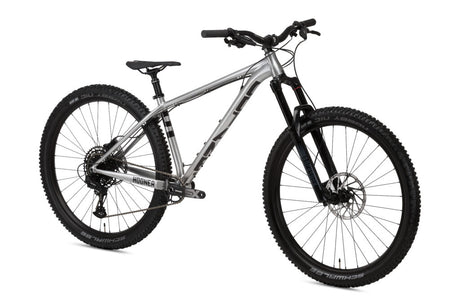
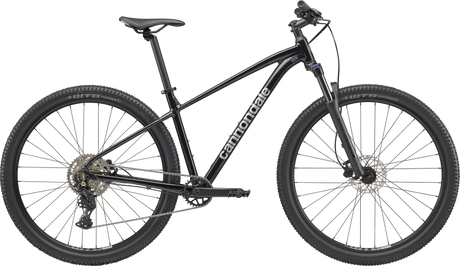
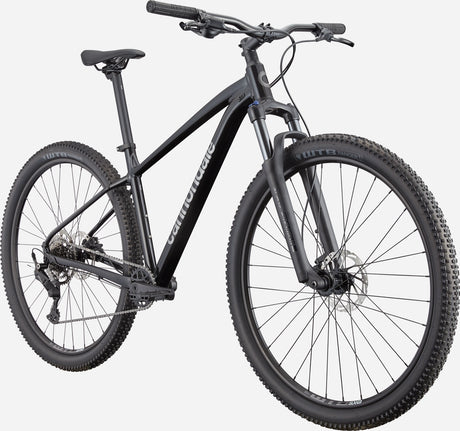
- The hardtail is off-road capable, the wide tires, typical of an MTB, provide good grip and cushioning, and the gears are also perfectly suited for heavily loaded off-road fun.
- A hardtail is still efficient enough for long distances, it has a sporty ride and an athletic, but not too low seating position.
- Since it is (mostly) not built for touring, you may need to improvise when attaching your panniers! Bags that come with their mounting straps, straps, and cable ties are very useful here.
Hardtail Mountain Bike
If your bikepacking tours take you on
rough or alpine terrain and challenging trails,
a mountain bike is
a good choice. There are really no limits when choosing the bike, in any case, a hardtail is
a better choice for long distances than a full-suspension bike because it rides
more efficiently than a fully suspended mountain bike.
-
 -54%M L
 -
 -53%S/M
 -
 -30%46 cm - M
 -

 -56%M
-56%M -
 NewSMmore
 -

 NewSMmore
 -

 NewXSMmore
 -

 NewMMLmore


Overview of the features of a gravel or bikepacking bike:
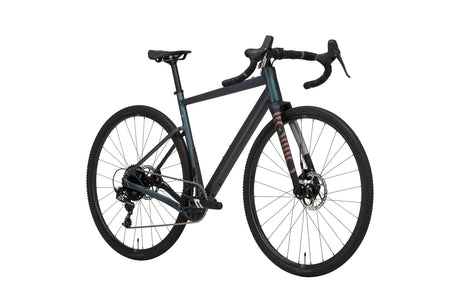
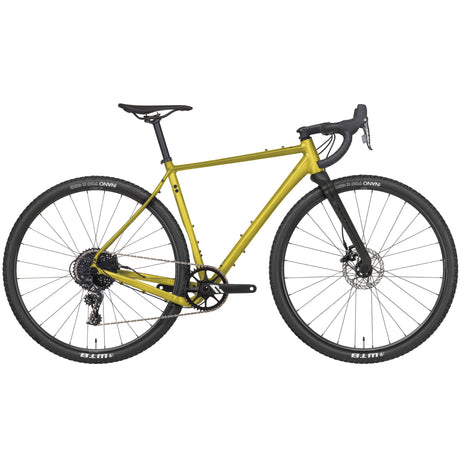
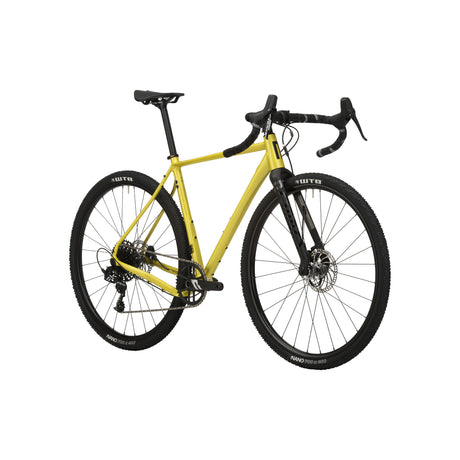
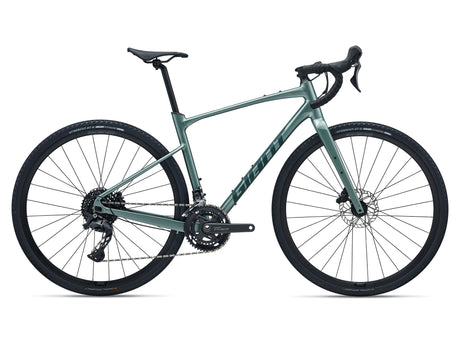
- The frame of the gravel bike has a lot of tire clearance, so you can mount wider tires with a lot of tread for off-road use or challenging weather conditions.
- Most bikes use a 1x drivetrain with only one chainring on the crank. This simplifies shifting, maintenance, and reduces cable clutter. The gearing is designed to be as versatile as possible with a large cassette on the rear wheel.
- The frame of a bikepacking bike has threaded eyelets in various places, so bags, fenders, and racks can be directly bolted on. Common places for the threaded eyelets are the rear triangle, the area at the seat clamp, the fork, and the usual placements of bottle holders inside the frame triangle. Some bikes also have holes on the top tube to securely mount a top tube bag.
- The geometry of a gravel bike offers a mix of sportiness and comfort. Whether ambitious tours in rough terrain or long-distance rides on flat terrain – versatility is the greatest asset of the gravel bike!
The gravel bike is extremely versatile due to its design and offers you many possibilities for different adventures. From a relaxed tour around the lake to a multi-day adventure across the Alps, you can experience it all with such a bike.


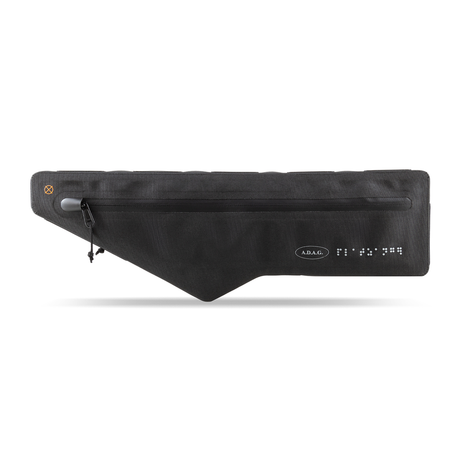
GRVL CAGE is backordered and will ship as soon as it is back in stock.
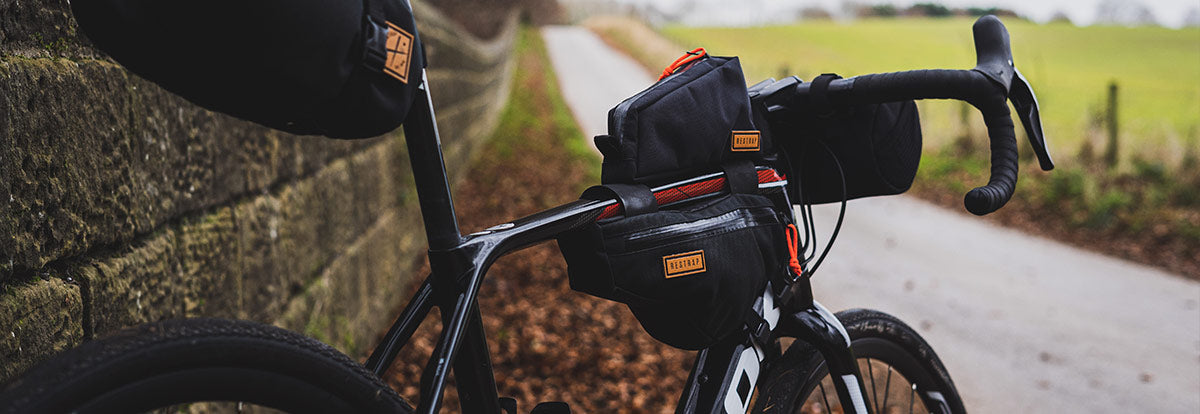
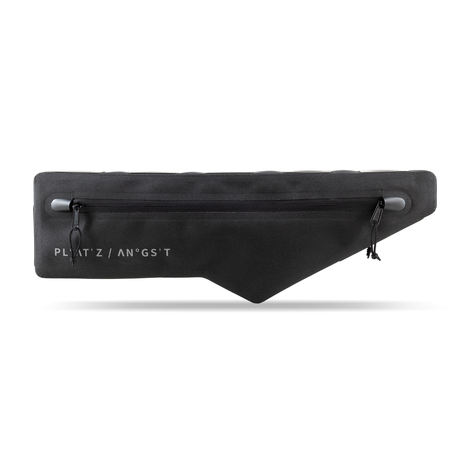
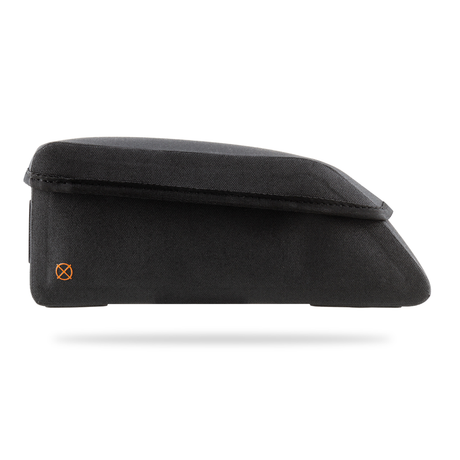
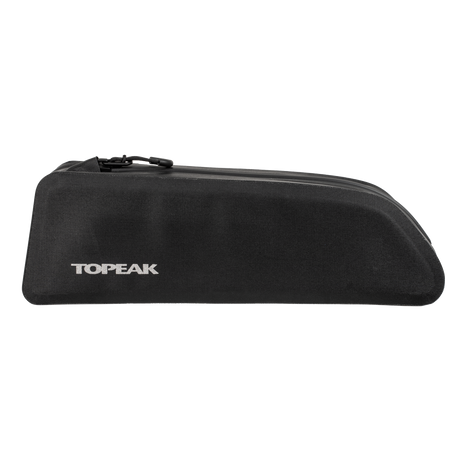
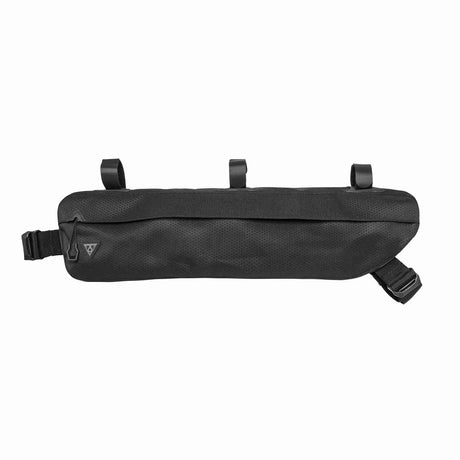
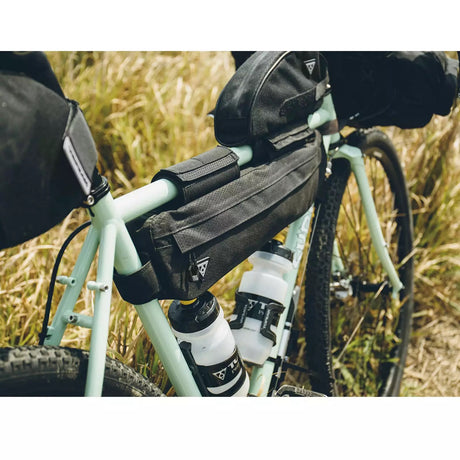
With frame bags, you have many different mounting options. On the top tube, under the top tube, more on the seat tube, or far forward behind the handlebars. These bags are usually attached with Velcro straps, so you can secure your bag where and how you like – and where it fits. Before buying a frame bag, you should measure the frame triangle of your bike to ensure the bag fits. If you are traveling with an e-bike, it depends on the drive whether or which frame bag you can take.
What fits in the frame bag?
These bike bags come in very different sizes, ranging from 0.5 to 5 liters in capacity. In a smaller frame bag, you can store your valuables, while a larger bag can hold clothing, rain gear, or hygiene items.
Frame Bags
View all-

-

-
-

 -32%
-32% -


-


 -32%S M L
 -

 -25%
-25% -
 -31%
-31%


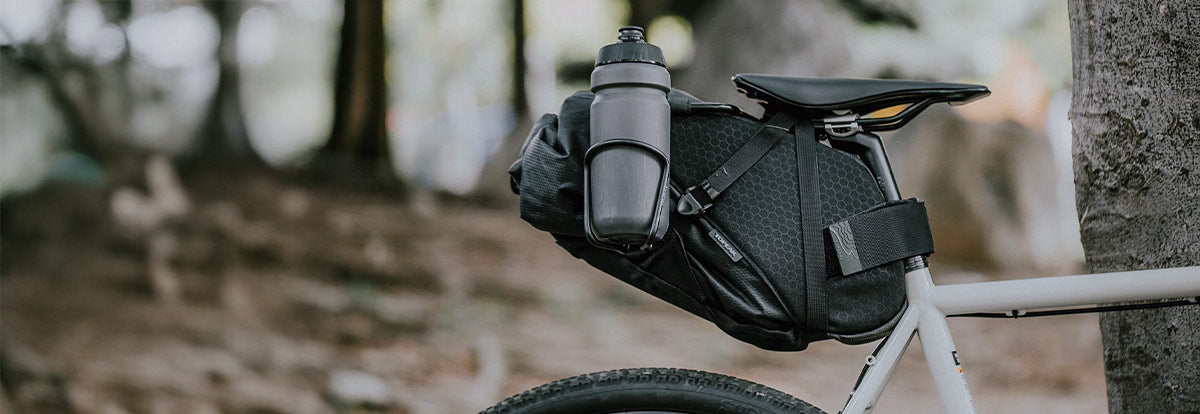
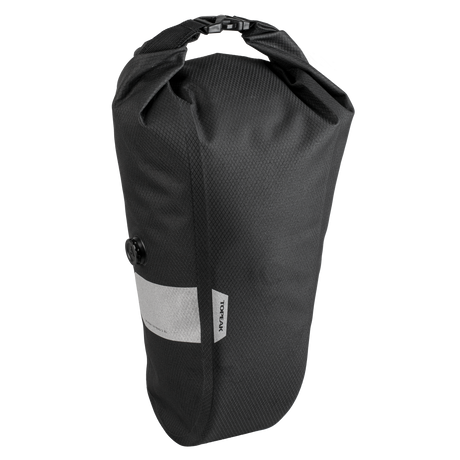
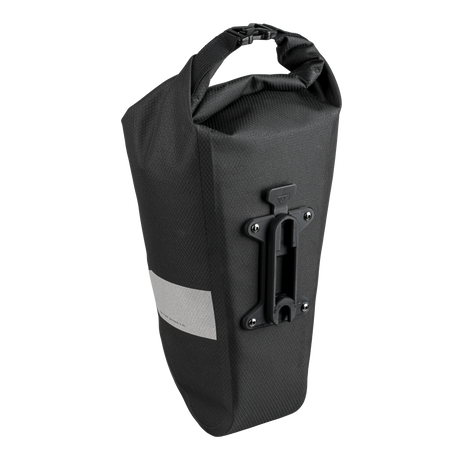
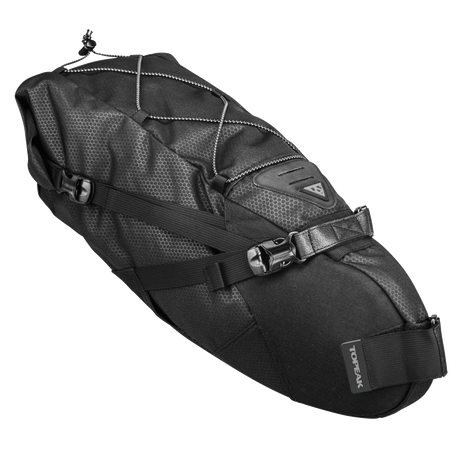
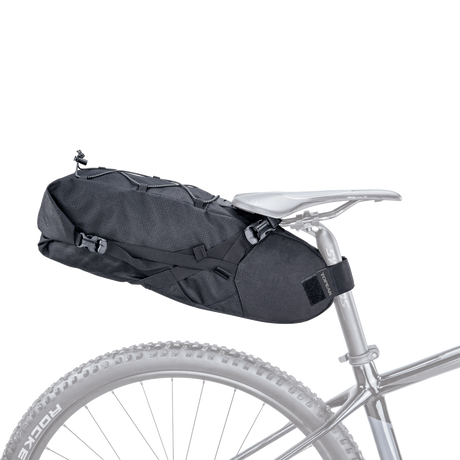
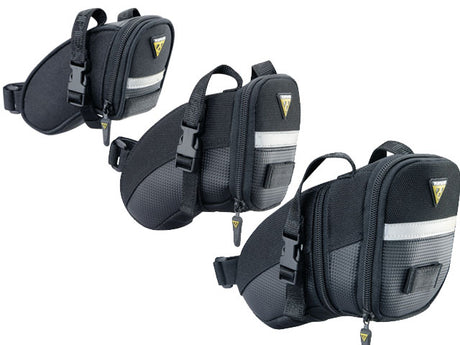
Saddle bags are the most versatile bicycle bags, here you will find a wide selection from the noble little leather bag with some tools to the pannier with several liters of capacity. Saddle bags are an excellent alternative for anyone who doesn't want a luggage rack on their bike but still needs some storage space at the back. In addition, large saddle bags are extremely helpful in bad weather, as they also replace the rear mudguard and catch the worst splashes.
What fits in the saddle bag?
The smallest saddle bags can hold half a liter of content with a bit of luck, they are really only meant for a multitool and spare tube. Large bikepacking seat packs store about 17 to 18 liters of content, which is often quite crumpled due to the design. You can pack your change of clothes inside, but a tarp or a lightweight sleeping bag are also well accommodated here.
Saddle Bags
View all-
 -27%
-27% -

 -29%
-29% -

 -34%
-34% -

 -33%
-33% -


 -36%XS S M
 -

 -28%
-28% -

 -37%
-37% -


 -39%XS S M


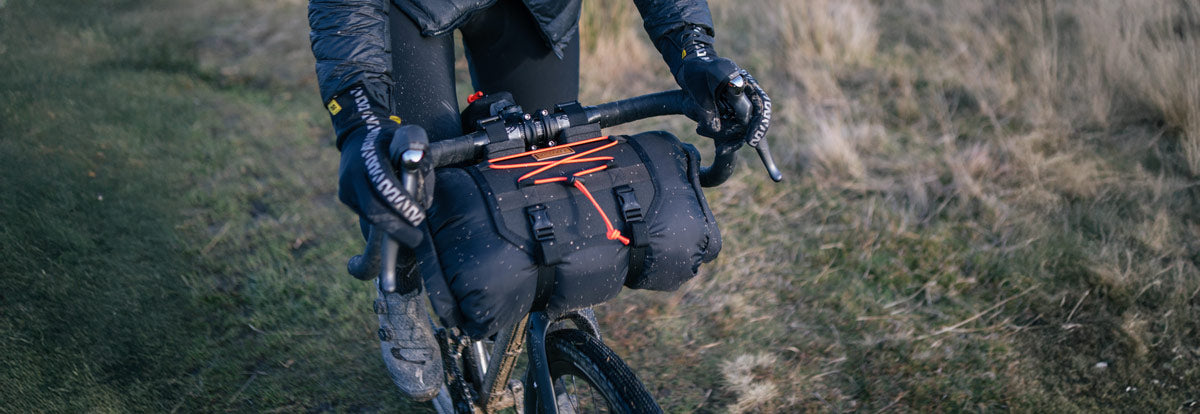
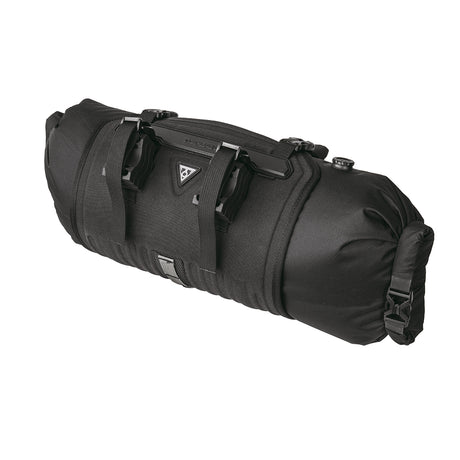
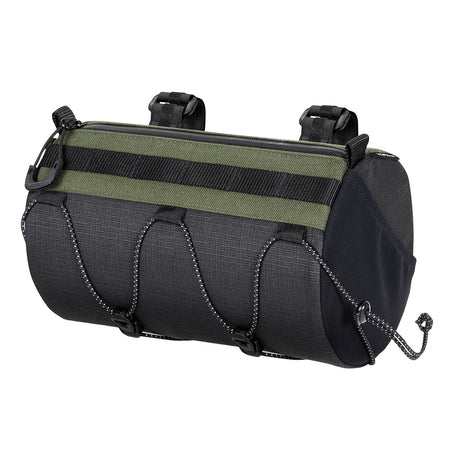
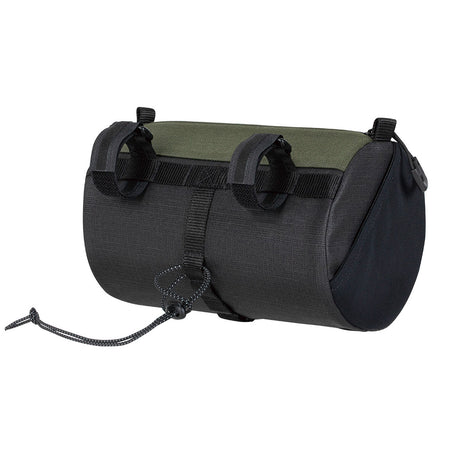
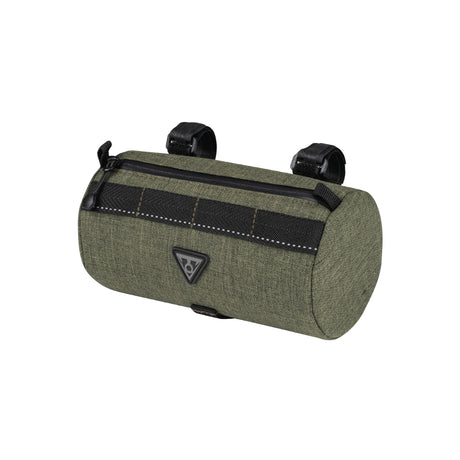
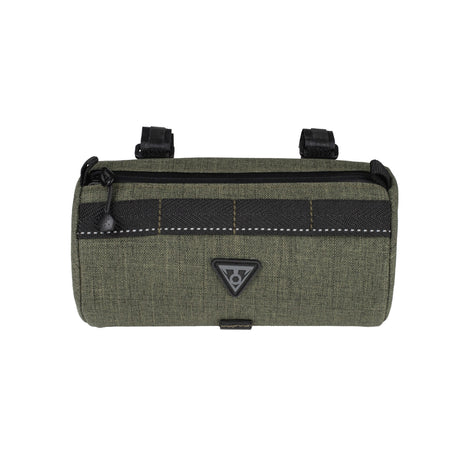
What would you like? A large, rectangular handlebar bag with a clear compartment on top for a map, phone, or even a tablet? A small stem bag that can alternatively hold a water bottle or your phone and keys? A smart bag that stores your phone in your field of vision and protects it from splashes? With handlebar bags, you have a huge selection. Handlebar rolls are particularly popular among bikepackers because they have significantly more capacity than other handlebar bags. Thanks to the nearly 20 liters of content, you can store bulky but lightweight items like an ultralight sleeping bag there. If you want to buy a handlebar bag, you should first ensure that it doesn't interfere with the cables or your bike's lighting. Additionally, your bike's handlebar determines the possible size of these bikepacking bags; a narrower handlebar roll may fit on drop bars compared to flat bars. Many handlebar bags have a carrying strap, so you can always take your bag with you when you park your bike.
What fits in the handlebar bag?
The range is particularly large for handlebar bags: large handlebar rolls hold 15 to 19 liters. A smart bag barely fits a phone. Attention: Handlebar bags have a load capacity of 5 to 7 kg, more would disturb the bike's handling. A handlebar roll can hold the sleeping bag, a lightweight sleeping mat, or the tent poles. A regular handlebar bag is ideal for carrying your valuables and snacks for the road. Smart bags and stem bags are for a few small items.
Handlebar bags
View all-
 -21%
-21% -

 -33%
-33% -


-
 -29%
-29% -
 -23%
-23% -


-

 -25%
-25% -

 New
New


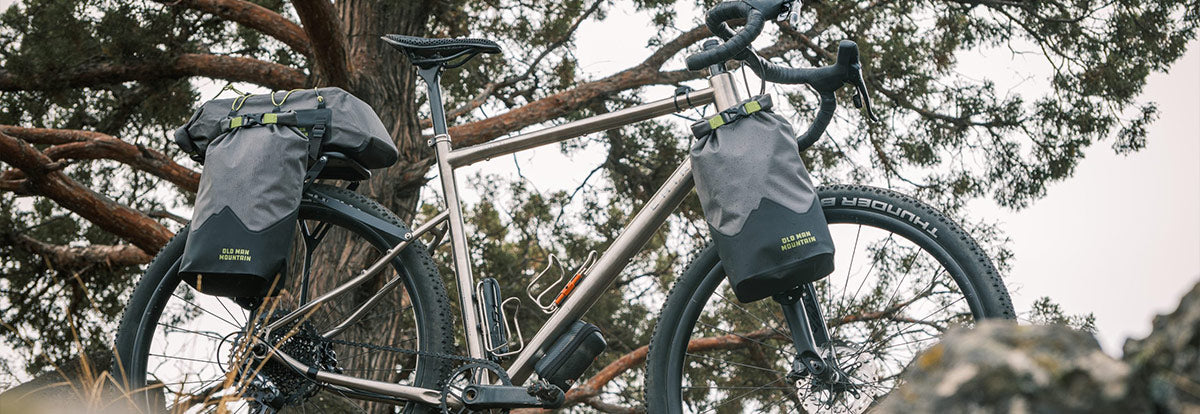
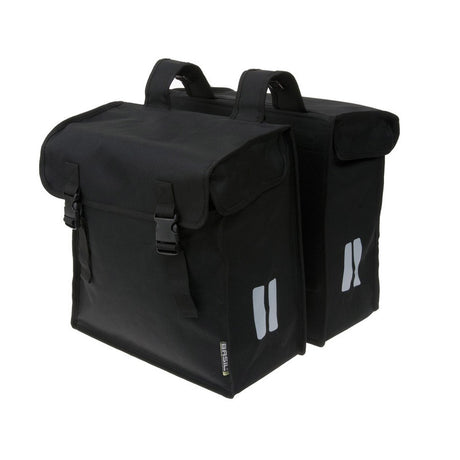
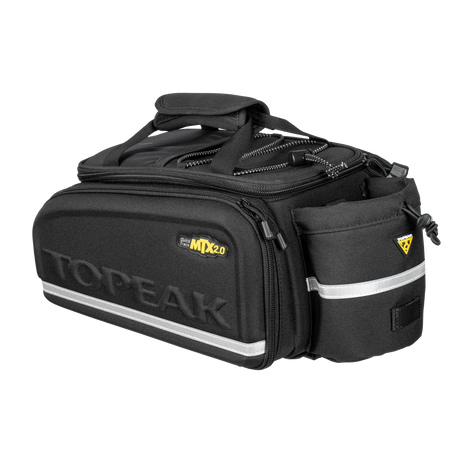
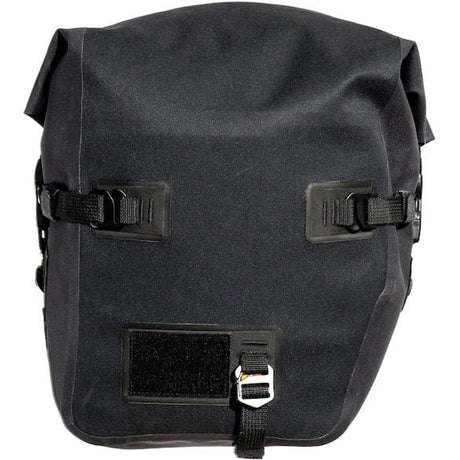
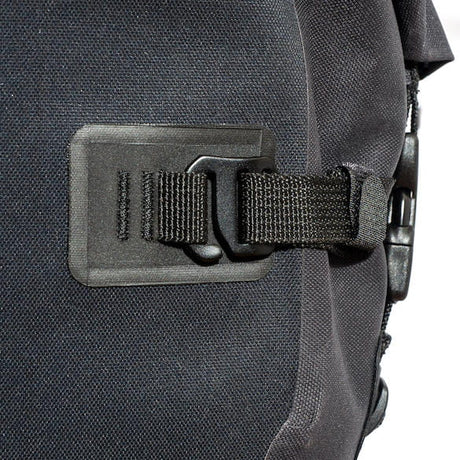
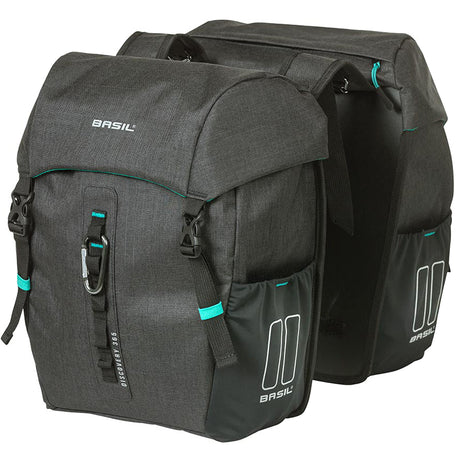
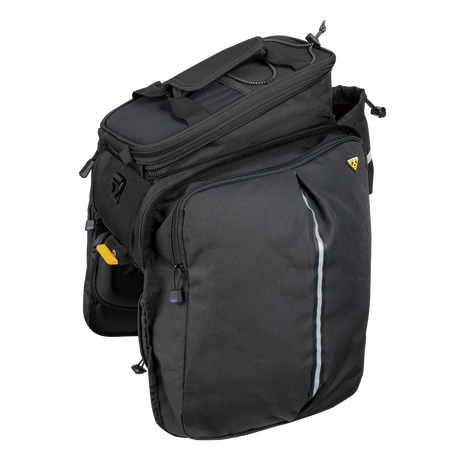
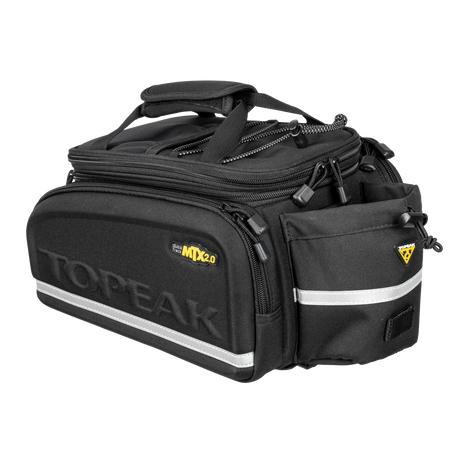
Pannier bags are the classic among bicycle bags. They are also unsurpassed in terms of their capacity; you can fill pannier bags with up to 65 liters of content. The bags are available individually, in pairs, and as a three-piece bag. The prerequisite, of course, is – as the name suggests – a luggage rack on the bicycle. If you only plan smaller bike tours now and then, a single bicycle bag is sufficient. If you want to load more luggage, you should go for our two-piece sets. This way, you can distribute the weight evenly on the left and right of the bike, as a one-sided loaded bike rides wobbly and insecure. For long bikepacking tours, three-piece pannier bags are extremely practical. They not only distribute the weight optimally and sit very stably on your luggage rack, but thanks to their clever subdivisions, your luggage also remains neatly sorted and easily accessible. Many pannier bags have two simple clips on the back that snap onto a horizontal bar. And you're ready to start your bikepacking adventure!
What fits inside?
Individual pannier bags hold 25 liters of content depending on the model and manufacturer and have about 12 kg of load capacity. With a bag set, the capacity doubles. A three-piece bikepacking bag holds up to 65 liters (that's equivalent to 65 milk cartons!) and has up to 30 kg of load capacity. Here you should definitely ensure beforehand that your luggage rack can handle this load! Here you can pack anything from a gas stove to clothing or travel reading to photo equipment!
Pannier bag
View all-
-
 -27%
-27% -


-
 -28%
-28% -
-
 -29%
-29% -


-
 -28%
-28%